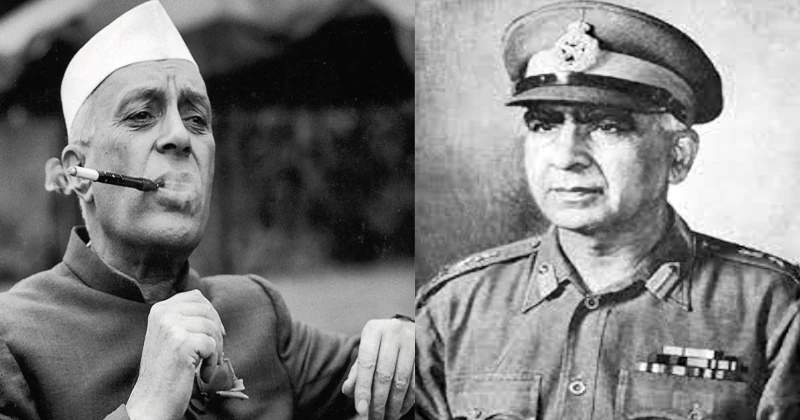
Unveiling the 1962 Debacle: How Nehru's appointment of General Thapar led to massive territory loss to China
June 8, 2026
  • Read Ecopy
  • Circulation
  • Advertise
  • Careers
  • About Us
  • Contact Us
Android AppiPhone AppArattai
Organiser
  • ‌
  • Bharat
    • Assam
    • Bihar
    • Chhattisgarh
    • Jharkhand
    • Maharashtra
    • View All States
  • World
    • Asia
    • Europe
    • North America
    • South America
    • Africa
    • Australia
  • Editorial
  • International
  • Opinion
  • RSS @ 100
  • More
    • Op Sindoor
    • Analysis
    • Sports
    • Defence
    • Politics
    • Business
    • Economy
    • Culture
    • Special Report
    • Sci & Tech
    • Entertainment
    • G20
    • Azadi Ka Amrit Mahotsav
    • Vocal4Local
    • Web Stories
    • Education
    • Employment
    • Books
    • Interviews
    • Travel
    • Law
    • Health
    • Obituary
  • Subscribe
    • Subscribe Print Edition
    • Subscribe Ecopy
    • Read Ecopy
  • ‌
  • Bharat
    • Assam
    • Bihar
    • Chhattisgarh
    • Jharkhand
    • Maharashtra
    • View All States
  • World
    • Asia
    • Europe
    • North America
    • South America
    • Africa
    • Australia
  • Editorial
  • International
  • Opinion
  • RSS @ 100
  • More
    • Op Sindoor
    • Analysis
    • Sports
    • Defence
    • Politics
    • Business
    • Economy
    • Culture
    • Special Report
    • Sci & Tech
    • Entertainment
    • G20
    • Azadi Ka Amrit Mahotsav
    • Vocal4Local
    • Web Stories
    • Education
    • Employment
    • Books
    • Interviews
    • Travel
    • Law
    • Health
    • Obituary
  • Subscribe
    • Subscribe Print Edition
    • Subscribe Ecopy
    • Read Ecopy
Organiser
  • Home
  • Bharat
  • World
  • Operation Sindoor
  • Editorial
  • Analysis
  • Opinion
  • Culture
  • Defence
  • International Edition
  • RSS @ 100
  • Magazine
  • Read Ecopy
Home International Edition News

Unveiling the 1962 Debacle: How Nehru’s appointment of General Thapar led to massive territory loss to China

The 1961 appointment of General Pran Nath Thapar as Army Chief by Prime Minister Nehru was a decision that continues to stir controversy. Chosen for his familial ties to Nehru over the more seasoned General Thorat, Thapar's leadership during the 1962 Sino-Indian War resulted in significant territorial losses and heavy casualties for India, sparking widespread debate and criticism.

WEBDESKWEBDESK
May 25, 2024, 04:30 pm IST
in News, Bharat, China, India, International Edition
Follow on Google News
FacebookTwitterWhatsAppTelegramEmail

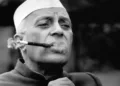
The 1961 appointment of General Pran Nath Thapar as Chief of the Army Staff remains a topic of historical scrutiny and debate. General Thapar, father of journalist Karan Thapar and uncle of historian Romila Thapar, was appointed by Prime Minister Jawaharlal Nehru, allegedly due to his trusted relationship with Nehru rather than his strategic experience.

Born in 1906 in Jhelum, now part of Pakistan, Pran Nath Thapar’s illustrious military career began with his education at the prestigious Daly College and the Indian Military Academy. He served with distinction in World War II, commanding the 4th Indian Infantry Division in Burma. His contributions to the Indian Army included modernising its structure and establishing the National Defence Academy in Khadakwasla, Pune, which has since become a cornerstone for training future military leaders.

Despite his notable service record, Thapar’s appointment as Army Chief was controversial. Legendary General K.M. Cariappa, who favoured General Thorat for the position, argued that Thorat’s experience with the China border and his advocacy for deploying the army in forward positions made him a more suitable candidate. However, Nehru overruled Cariappa, reportedly due to their familial connection, favouring Thapar.

Thapar’s tenure as Army Chief coincided with the 1962 Sino-Indian War, which exposed significant strategic and tactical shortcomings in India’s military preparedness. Thapar, who had little experience with the China border, faced severe criticism for handling the conflict. Under his command, India lost approximately 40,000 square kilometres of territory to China. The war resulted in the deaths of thousands of Indian soldiers, a tragedy that left an indelible mark on India’s military history.

Following the debacle, Thapar offered his resignation, which was perceived by many as a token gesture. Nehru swiftly appointed him as an ambassador, allowing Thapar to retire abroad. This move sparked outrage among many who believed he should have been held accountable for the military failures. In Parliament, Nehru defended the loss of territory to China, a stance that further fueled public discontent.

General Thorat, who Thapar superseded, retired from service, marking an end to a potential leadership that many believe could have altered the course of the conflict with China. The decision to appoint Thapar over Thorat remains a contentious chapter in India’s military history, illustrating the complexities and consequences of political influence in military appointments.

General Pran Nath Thapar’s career, characterised by both commendable contributions and significant controversies, continues to spark discussion. His appointment as Army Chief and the subsequent 1962 Sino-Indian War underscore the intricate interplay between political decisions and military strategy, a dynamic that remains relevant and thought-provoking.
Topics: NehruPran Nath ThaparGeneral Pran Nath ThaparIndian Army Appointment1962 India-China WarGeneral K.M. Cariappa
Share1TweetSendShareSend
✮ Subscribe Organiser YouTube Channel. ✮
✮ Join Organiser's WhatsApp channel for Nationalist views beyond the news. ✮
Previous News

The distant delhi dream of Arvind Kejriwal

Next News

Delhi Court convicts activist Medha Patkar in defamation case against VK Saxena, stemming from decades-long legal feud

Related News

National Selfhood in Science: Turning the tide with spiritual scienticism

Questions mount over missing Sabarimala temple artefacts as Nehru family and Sonia Gandhi links to an overseas antiquities trade come under focus

Kerala: Sabarimala gold theft trail points to Nehru family & Italian antiquities network, BJP claims fuels wider probe

How Nehru turned his own birthday into ‘Children’s Day’: The forgotten history of a soviet-style PR exercise

Book review | The Nehru Years: An International history of Indian non-alignment

In 2012, following a controversy over a cartoon depicting Dr BR Ambedkar being chased by Jawaharlal Nehru in NCERT textbooks, HRD Minister Kapil Sibal apologised and ordered its removal

Congress and Ambedkar: Forced acceptance or natural Legacy?

Ambedkar and Congress: The obvious contrast

Load More

Latest News

Chief Minister of West Bengal Suvendu Adhikari

West Bengal has deported 4,800 Bangladeshi infiltrators, 836 more await repatriation: CM Suvendu Adhikari

Over the last 12 years, seven ASI-protected sites have been inscribed on the UNESCO World Heritage List, showcasing India's rich cultural

From Nalanda to Maratha Forts: The seven Indian heritage sites that earned UNESCO recognition in the last 12 years

Demolition of the illegal mosque in Sambhal

Sambhal: Eight booked after ‘I Love Muhammad’ posters, Pakistan-like flags found during demolition of illegal mosque

A representative image

India’s Agricultural Transformation: How India’s Agri sector transformed over the last decade

Ken-Betwa link project: balancing development, water security and ecological responsibility (This is an AI generated Image)

Beyond Bundelkhand: Why the success of the Ken-Betwa link matters for India’s water future

Chandni Qureshi (centre) and Ayush Malik before his conversion; the image on the left purportedly shows Ayush, now known as Mohammad Ali, offering namaz

Exclusive | Chandni Qureshi, Pakistani cleric & secret nikah: Inside Shamli conversion case that triggered an SIT probe

Ceremonial lamp lighting at a seminar in Delhi University organised by Centre for Tribal Studies

Traditional tribal practices can help mitigate planetary crisis: Experts at Delhi University seminar

How India keeps cooking gas cheaper than most nations

The LPG Reality Check: Why India still has the world’s cheapest cooking gas

TMC leader Brahmananda Chakraborty arrested in Howrah after viral video shows him hiding under clothes, accused of cut money in PM Awas Yojana funds. (Image: X)

Hiding under a pile of clothes? TMC leader arrested in PM Awas Yojana ‘Cut money’ case as dramatic video goes viral

Pakistan Prime Minister Shehbaz Sharif face the brunt as Punjab draws excess water from Indus basin and Sindh suffers from scarcity

Pakistan: Indus water drifts to Punjab & erupts political rift; Acute crisis in Dadu canal & drought in Sindh

Load More
  • Privacy
  • Terms
  • Cookie Policy
  • Refund and Cancellation
  • Delivery and Shipping

© Bharat Prakashan (Delhi) Limited.
Tech-enabled by Ananthapuri Technologies

  • Home
  • Search Organiser
  • Bharat
    • Assam
    • Bihar
    • Chhattisgarh
    • Jharkhand
    • Maharashtra
    • View All States
  • World
    • Asia
    • Africa
    • North America
    • South America
    • Europe
    • Australia
  • Editorial
  • Operation Sindoor
  • Opinion
  • Analysis
  • Defence
  • Culture
  • Sports
  • Business
  • RSS @ 100
  • Entertainment
  • More ..
    • Sci & Tech
    • Vocal4Local
    • Special Report
    • Education
    • Employment
    • Books
    • Interviews
    • Travel
    • Health
    • Politics
    • Law
    • Economy
    • Obituary
  • Subscribe Magazine
  • Read Ecopy
  • Advertise
  • Circulation
  • Careers
  • About Us
  • Contact Us
  • Policies & Terms
    • Privacy Policy
    • Cookie Policy
    • Refund and Cancellation
    • Terms of Use

© Bharat Prakashan (Delhi) Limited.
Tech-enabled by Ananthapuri Technologies